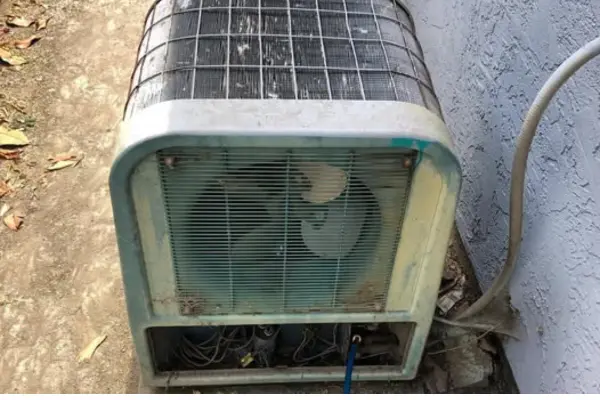
Yes, energy-efficient AC units can improve comfort and lower energy costs, but they don’t automatically solve every cooling problem.
If your current system struggles because of dirty coils, restricted airflow, a refrigerant leak, thermostat issues, or deferred maintenance, replacing the equipment may not be necessary.
However, if your air conditioner is more than 12–15 years old, requires frequent repairs, uses significantly more electricity every summer, or can no longer keep your home comfortable despite proper maintenance, upgrading to a modern high-efficiency system may provide better long-term value.
Hi, I’m Carlos. One question I hear every summer is, “Should I replace my AC with a more energy-efficient unit, or is my current system still worth repairing?”
Here’s What I Tell Homeowners Before They Spend Thousands on a New Air Conditioner
After more than 16 years serving homeowners with air conditioner repair throughout Hemet, East Hemet, Valle Vista, San Jacinto, and nearby communities: I completely understand why people ask.
When your air conditioner runs all day, your home still feels warm, and your electric bill suddenly jumps, it’s easy to assume the only solution is buying a brand-new system.
Unfortunately, I’ve also met many homeowners who were told they needed a complete replacement when the actual problem was something much simpler, a dirty condenser coil, low refrigerant, restricted airflow, or a worn electrical component that could be repaired for a fraction of the cost.
That’s why I always recommend starting with a proper inspection instead of assuming the worst.
Sometimes replacing an older air conditioner is absolutely the right investment. Modern energy-efficient systems can cool more consistently, operate more quietly, and significantly reduce monthly energy costs. But replacing an AC simply because it’s running longer during a 105°F Hemet afternoon isn’t always necessary.
In this guide, I’ll explain when upgrading to an energy-efficient air conditioner makes sense, when a repair may be the smarter investment, and what Hemet homeowners should know before spending thousands of dollars on a new HVAC system.
The key is diagnosing why your home isn’t cooling before deciding whether to repair or replace the system.
Are Energy-Efficient AC Units Worth the Money?
For many homeowners in Hemet, replacing an air conditioner is one of the biggest home improvement investments they’ll make.
Naturally, one of the first questions people ask is:
“Will I actually save enough money to justify buying a new AC?”
The honest answer is:
It depends on the condition of your current system.
If your existing air conditioner is still relatively new and only needs a repair, replacing it simply for a higher efficiency rating usually doesn’t make financial sense.
On the other hand, homeowners with older systems often notice several warning signs:
- The AC runs almost continuously during the summer.
- Cooling bills keep increasing every year.
- Some rooms never become comfortable.
- Repairs become more frequent.
- The outdoor unit becomes noticeably louder.
- The system struggles during the hottest afternoons.
When these issues occur together, your cooling system may be losing efficiency even though it still turns on and runs.
A modern high-efficiency air conditioner doesn’t create colder air than an older unit. Instead, it removes heat from your home more efficiently while using less electricity.
That means:
- Lower monthly utility bills.
- More consistent indoor temperatures.
- Better airflow throughout the house.
- Quieter operation.
- Reduced wear on the equipment.
For homeowners planning to stay in their home for many years, these improvements often make upgrading a worthwhile long-term investment.
Will a New AC Stop My House from Overheating?
This is probably the biggest misconception we hear during the summer.
Many homeowners assume:
“My house stays hot, so I must need a bigger or newer air conditioner.”
Sometimes that’s true.
Often, it isn’t.
Before recommending replacement, our technicians first determine why the house isn’t cooling properly.
We’ve diagnosed many systems where overheating was actually caused by:
- Dirty condenser coils restricting heat transfer.
- Clogged air filters reducing airflow.
- Low refrigerant from a small leak.
- Thermostat calibration problems.
- Leaking ductwork in the attic.
- Weak capacitors or electrical components.
In these situations, replacing the entire HVAC system wouldn’t have solved the real problem.
However, there are situations where a newer energy-efficient system genuinely provides better comfort.
For example:
- Your current AC is more than 15 years old.
- The system was incorrectly sized when originally installed.
- The compressor is failing.
- Repair costs continue increasing every summer.
- The unit uses outdated refrigerant.
- Your home has recently been expanded or remodeled.
Modern air conditioners also include technology that older systems simply didn’t have.
Instead of repeatedly cycling on and off, many high-efficiency systems adjust their output throughout the day, allowing them to maintain more stable indoor temperatures during Hemet’s hottest afternoons.
That means fewer temperature swings, improved comfort, and less strain on the equipment.
The important takeaway is this:
A new AC should solve the right problem, not simply replace equipment because temperatures are high outside.
That’s why we always recommend a complete system inspection before discussing replacement options.
What’s the Best AC Unit for Hemet?
Not every air conditioner performs equally in Hemet’s climate.
Unlike coastal Southern California, our summers regularly bring extended periods of triple-digit temperatures, putting far more stress on cooling systems.
The best air conditioner for one home may not be the best choice for another.
When helping homeowners choose a replacement system, we evaluate several important factors:
Home Size
A system that’s too small will run almost constantly without keeping the house comfortable.
A system that’s too large cools too quickly, causing short cycling, uneven temperatures, and unnecessary wear.
Proper sizing is far more important than simply buying the biggest unit available.
Energy Efficiency
Higher-efficiency systems generally consume less electricity while maintaining better comfort.
For homeowners planning to stay in their home long-term, improved efficiency often offsets part of the installation cost through lower monthly utility bills.
Comfort Features
Many newer systems offer:
- Variable-speed blowers
- Two-stage compressors
- Smart thermostat compatibility
- Improved airflow management
- Quieter operation
These features help maintain more consistent indoor temperatures throughout the day instead of repeatedly turning completely on and off.
Professional Installation Matters
Even the most expensive air conditioner won’t perform properly if it’s installed incorrectly.
Correct airflow, refrigerant charging, duct performance, and equipment sizing all play a major role in how efficiently your system operates.
That’s why choosing an experienced HVAC contractor is just as impoartant as choosing the equipment itself.
What SEER2 Rating Should I Buy?
One of the most confusing parts of buying a new air conditioner is understanding SEER2 ratings.
Many homeowners assume:
“The highest SEER2 rating must always be the best.”
Not necessarily.
SEER2 (Seasonal Energy Efficiency Ratio 2) measures how efficiently an air conditioning system uses electricity over an entire cooling season.
In simple terms:
- A higher SEER2 rating generally means lower energy consumption.
- Lower operating costs over time.
- Improved efficiency during long cooling cycles.
For most homes in Hemet, a system meeting or exceeding today’s minimum efficiency standards provides excellent performance.
Higher SEER2 models may make sense for homeowners who:
- Plan to stay in their home for many years.
- Use their air conditioner heavily throughout the summer.
- Want lower monthly energy bills.
- Value quieter operation and enhanced comfort.
The right choice ultimately depends on your home’s size, budget, cooling needs, and long-term plans, not just the highest efficiency rating available.
Is a Variable-Speed AC Worth It?
If you’ve been shopping for a new air conditioner, you’ve probably heard about variable-speed AC systems. They’re often advertised as quieter, more efficient, and better at keeping your home comfortable, but are they worth the extra investment?
For many Hemet homeowners, the answer is yes, especially if your current system struggles during long periods of extreme heat.
Unlike traditional single-stage air conditioners that operate at only one speed—either fully on or completely off, a variable-speed system automatically adjusts its cooling output based on your home’s needs.
Instead of constantly starting and stopping throughout the day, it runs at lower speeds for longer periods, maintaining a more consistent indoor temperature.
Benefits of a Variable-Speed Air Conditioner
- More consistent temperatures throughout the home.
- Better humidity control.
- Lower energy consumption during long cooling cycles.
- Quieter indoor and outdoor operation.
- Reduced wear on major HVAC components.
- Improved comfort during Hemet’s hottest afternoons.
That doesn’t mean every homeowner needs a variable-speed system.
If your existing air conditioner is relatively new and only requires a repair, upgrading solely for this feature may not provide enough return on investment.
However, if you’re already replacing an aging HVAC system, it’s worth discussing whether a variable-speed model fits your comfort goals and budget.
Should I Repair or Replace My AC?
This is the question we answer almost every day.
Unfortunately, many homeowners believe they only have two choices:
- Keep repairing an old system forever.
- Replace it immediately.
In reality, the best decision depends on your system’s condition—not just its age.
Repair May Be the Better Option If:
- Your air conditioner is less than 10–12 years old.
- Repairs are relatively minor.
- The compressor is still in good condition.
- Cooling performance has been reliable until recently.
- The system has received regular maintenance.
Replacement May Make More Sense If:
- The system is over 15 years old.
- Repairs have become increasingly frequent.
- Energy bills continue rising every summer.
- Major components have failed.
- Your home never feels comfortable despite repeated repairs.
- Replacement costs are close to the value of the existing equipment.
One thing our customers appreciate most is that we don’t automatically recommend replacement.
Sometimes a simple repair restores years of reliable cooling.
Other times, investing in a modern energy-efficient system saves more money over the next decade than continuing to repair aging equipment.
Our job isn’t to sell equipment—it’s to help you make the decision that’s best for your home.
Can a New AC Lower My Electric Bill?
This is one of the biggest reasons homeowners begin shopping for a replacement system.
If your electric bill has doubled over the past few summers, it’s natural to wonder whether installing a new air conditioner will reduce your monthly costs.
The answer is:
Yes, but only if your current HVAC system is the reason your energy use has increased.
Many homeowners assume the air conditioner is always to blame, but higher utility bills can also be caused by:
- Dirty condenser coils.
- Restricted airflow.
- Poor attic insulation.
- Leaking ductwork.
- Thermostat issues.
- Lack of routine maintenance.
- Air leaks around windows and doors.
That’s why we recommend diagnosing the entire system before replacing expensive equipment.
If your existing air conditioner is operating efficiently and the real problem is elsewhere, installing a new unit alone may not produce the savings you’re expecting.
However, homeowners replacing older systems often notice:
- Lower monthly electricity bills.
- More consistent cooling.
- Fewer repair costs.
- Quieter operation.
- Improved indoor comfort.
A properly sized, professionally installed high-efficiency system can reduce operating costs while keeping your home more comfortable during Hemet’s hottest months.
How Long Do Energy-Efficient AC Systems Last?
One of the biggest questions homeowners ask before replacing their HVAC system is:
“How long should a new air conditioner last?”
With professional installation and regular maintenance, most modern central air conditioning systems typically provide 12 to 20 years of reliable service.
Several factors influence how long your system will last, including:
- Installation quality.
- Annual maintenance.
- Local climate.
- How often the system operates.
- Air filter replacement.
- Proper refrigerant levels.
- Overall system sizing.
In Hemet, air conditioners naturally experience more wear because they operate much longer than systems in cooler climates.
That’s why routine maintenance becomes even more important.
Simple services like replacing filters, cleaning coils, checking refrigerant performance, and inspecting electrical components can help extend the life of your investment while reducing the likelihood of unexpected breakdowns.
A Real Hemet Success Story
One homeowner recently contacted us after struggling with an aging air conditioner that could no longer keep their home comfortable.
Instead of immediately recommending replacement, we completed a full inspection of the existing system, discussed repair options, compared long-term costs, and answered every question without pressure.
After reviewing the condition of the equipment together, the homeowner decided that replacing the aging system would provide better long-term value.
Here’s what they shared afterward:
“Great price. They did a good job replacing my AC, and it works like a charm. I recommend this company; you’ll be happy like we are.”
Reviews like this mean a lot to our team because they reflect the way we approach every service call: honest recommendations, clear communication, and helping homeowners make informed decisions instead of feeling pressured into unnecessary work.
Frequently Asked Questions
Are energy-efficient AC units worth the money?
For many homeowners, yes. If your current system is aging, inefficient, or requires frequent repairs, a modern high-efficiency air conditioner can improve comfort while reducing monthly energy costs. However, replacing a repairable system too early may not provide the best return on investment.
Will a new AC stop my house from overheating?
Not always. If your home stays hot because of dirty coils, restricted airflow, leaking ducts, poor insulation, or thermostat issues, replacing the equipment alone may not solve the problem. A complete HVAC inspection should identify the root cause before replacement is recommended.
What’s the best AC unit for Hemet?
The best air conditioner depends on your home’s size, cooling requirements, budget, and comfort expectations. Proper sizing and professional installation are often more important than choosing the highest-priced equipment.
What SEER2 rating should I buy?
Most homeowners benefit from systems that meet or exceed today’s minimum efficiency requirements. Higher SEER2 models generally offer lower operating costs, but the best choice depends on how long you plan to stay in your home and how heavily you use your air conditioner.
Is a variable-speed AC worth it?
Variable-speed systems provide quieter operation, improved comfort, and better energy efficiency because they adjust cooling output instead of constantly turning on and off. They are especially beneficial in areas like Hemet, where air conditioners operate for extended periods during summer.
Should I repair or replace my AC?
If your system is relatively new and only needs a minor repair, repairing it is usually the most cost-effective option. If it’s over 15 years old, requires frequent repairs, and struggles to cool your home, replacement may provide better long-term value.
Can a new AC lower my electric bill?
Yes, if your existing system has become inefficient. However, high energy bills can also result from maintenance issues, duct leaks, poor insulation, or airflow restrictions. A professional inspection helps determine the true cause.
How long do energy-efficient AC systems last?
Most modern systems last between 12 and 20 years with proper maintenance, regular filter changes, and professional annual inspections.
Final Thoughts
Replacing an air conditioner is a major investment, and every homeowner wants to know they’re making the right decision.
The truth is, an energy-efficient AC can absolutely improve comfort and reduce operating costs, but only when replacement is truly the right solution.
If your current system simply needs maintenance or a repair, we’ll tell you. If replacement offers better long-term value, we’ll explain why, answer your questions, and help you compare your options without pressure.
At Rain or Shine Heating, Plumbing & Air Conditioning, we believe homeowners deserve honest advice, not sales tactics. Whether you need a simple repair, routine maintenance, or a complete HVAC replacement, our goal is to help you make an informed decision that fits both your home and your budget.
If you’re still wondering whether it’s time to repair or replace your air conditioner, schedule a professional inspection today. We’ll evaluate your system, explain exactly what we find, and recommend the solution that makes the most sense, because earning your trust is just as important as restoring your comfort.