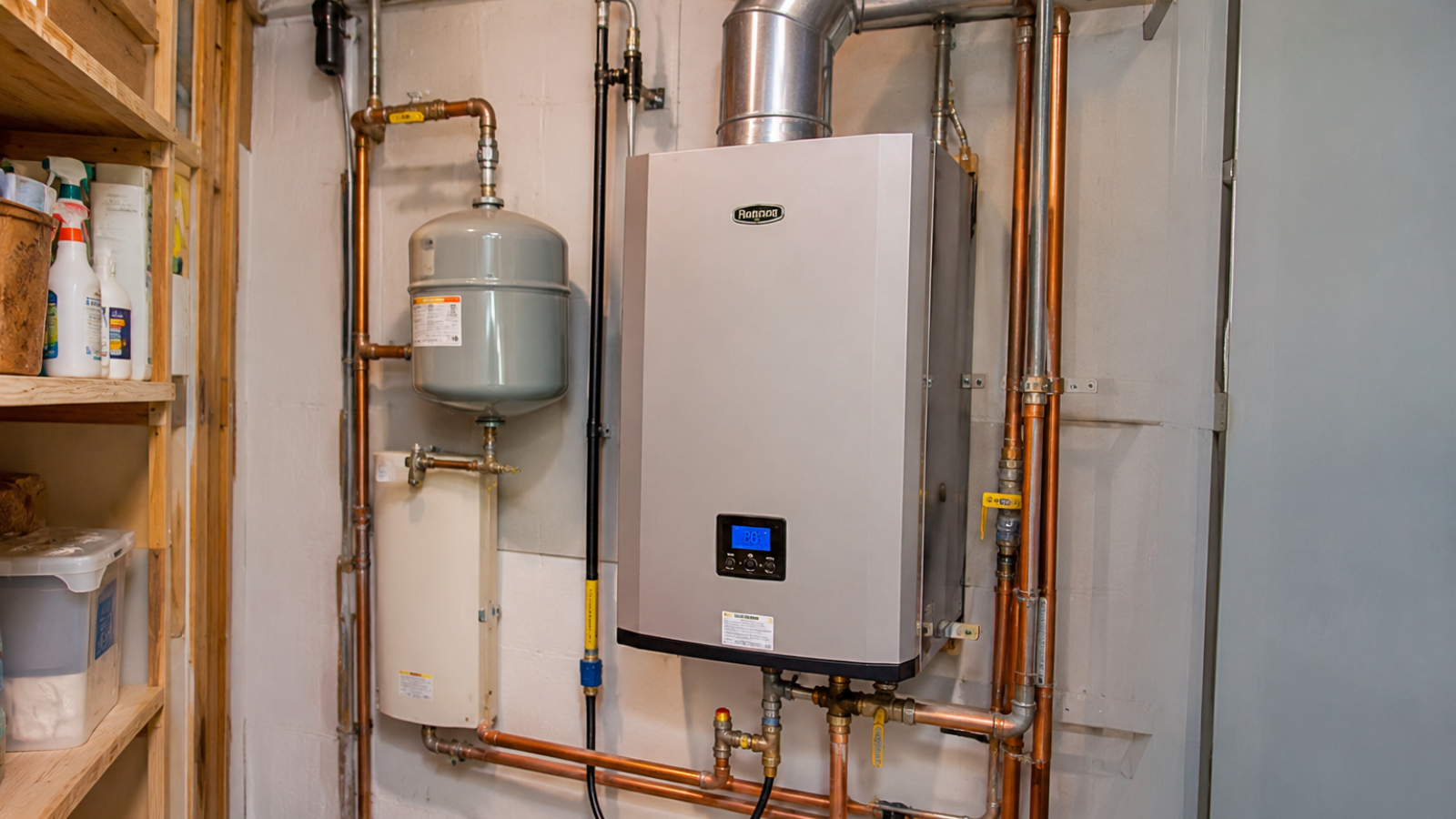
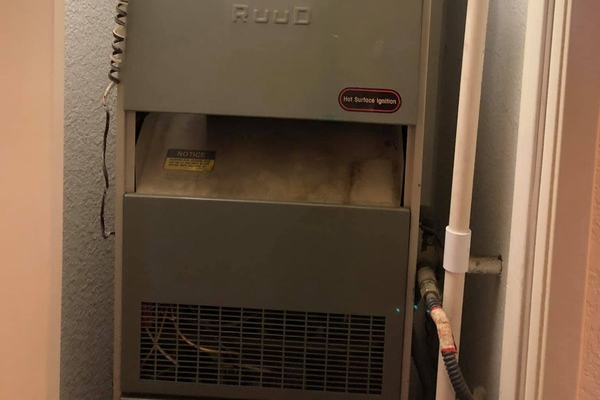
If you’re searching for boiler replacement in Hemet, CA, our goal is to help you understand your options, compare suitable equipment, and avoid spending money on the wrong system. And if your home uses a forced-air furnace rather than a boiler, you can also explore our furnace repair services in Hemet, CA.
Read on to discover when boiler replacement makes sense, which options are worth considering, what affects installation costs, and how to choose the right heating solution for your home.
Ready to Replace Your Old Boiler?
Don’t let an unreliable heating system leave your home uncomfortable. Contact Rain or Shine Heating, Plumbing & Air Conditioning today to discuss your boiler replacement options in Hemet, CA. Let’s help you choose a dependable heating solution that fits your home’s needs and budget.
Call (951) 813-0737 today to discuss your heating system replacement!
When Should You Consider Boiler Replacement in Hemet, CA?
For homeowners in Hemet and nearby communities, heating equipment may sit unused for much of the warmer season before becoming important again when winter temperatures drop. When colder nights arrive in areas such as East Hemet, Valle Vista, and San Jacinto, an older boiler that has been struggling behind the scenes may start showing problems that are difficult to ignore.
You might notice that your home takes longer to warm up in the morning, certain rooms remain cold even when the heating is running, or your boiler needs repeated repairs just to maintain comfortable temperatures. If these problems keep returning, replacing the existing boiler may be worth considering rather than continuing to pay for temporary fixes.
Heating performance and energy consumption are also worth considering. According to the U.S. Energy Information Administration (EIA), space heating accounted for approximately 42% of residential energy consumption in the United States in 2020, making it the largest residential energy end use.
Here are some warning signs that Hemet homeowners should pay attention to:
- Repeated Boiler Breakdowns: If your boiler needs repairs every heating season or stops working during colder nights, recurring service costs can eventually make replacement a more practical option.
- Water Leaks and Visible Corrosion: Moisture around boiler connections, rust on the equipment, or recurring leaks should never be ignored. These problems can indicate deterioration that may affect the system’s reliability.
- Cold Rooms and Uneven Heating: If radiators or heating zones in different parts of your home aren’t warming properly, the boiler may be struggling to circulate enough heated water. A professional inspection can determine whether the problem is repairable.
- Banging, Kettling, or Rumbling Sounds: Unusual noises when the boiler starts or operates may point to mineral buildup, circulation problems, or other internal issues that need attention.
- Increasing Heating Costs: If your heating expenses keep rising despite similar usage, an aging or poorly maintained boiler may be operating inefficiently.
- Expensive Repairs or Hard-to-Find Parts: When an older boiler requires major component replacements or compatible parts become difficult to source, investing in another repair may not offer the best long-term value.
A professional assessment can help you understand whether your existing boiler needs a repair, maintenance, or complete replacement before another heating season arrives.
What Are the Different Types of Boilers?
Before choosing a replacement, it’s important to understand the type of boiler installed in your home. Boiler systems differ in how they heat and distribute water, their fuel requirements, and the equipment needed for installation.
1. Combi Boilers
Combination boilers, commonly called combi boilers, provide central heating and domestic hot water from one compact unit.
They generally don’t require a separate hot water storage tank, making them suitable for properties where available space is limited.
2. System Boilers
System boilers use a separate hot water storage cylinder but incorporate several heating components within the boiler itself.
They can be suitable for households with greater hot water requirements or multiple bathrooms, depending on the system design.
3. Conventional Boilers
Conventional boilers, sometimes called regular or heat-only boilers, typically work with separate hot water cylinders and cold-water storage tanks.
They are often found in older properties and may be appropriate when replacing an existing conventional heating arrangement.
The best replacement depends on your existing plumbing configuration, household hot water requirements, available space, and installation budget. Switching between boiler types may require additional modifications.
Gas Boiler Replacement in Hemet, CA
Gas boilers use natural gas to heat water that circulates through radiators, baseboard heating systems, or other hydronic heating equipment.
If your existing home heating system uses a gas boiler, replacing it with a compatible modern unit may be an option when the equipment becomes unreliable or expensive to maintain.
Before choosing a gas boiler replacement in Hemet, CA, homeowners should consider:
- Existing gas supply: Confirm that the property’s gas connection is suitable for the proposed equipment.
- Heating capacity: Select a boiler sized according to the home’s actual heating requirements.
- Ventilation and exhaust: Proper combustion air and exhaust venting are essential for safe operation.
- Efficiency rating: Compare available efficiency ratings and consider expected fuel consumption.
- Installation compatibility: Evaluate existing piping, connections, controls, and heating distribution equipment.
Gas boiler installation must be performed according to applicable safety requirements and manufacturer specifications. A qualified professional should inspect the existing setup before recommending replacement equipment.
Choosing the right equipment and installation configuration is essential for dependable heating. Learn more about our heating installation services in Hemet and the factors involved in upgrading your home’s heating system.
Electric Boiler Replacement in Hemet, CA
Electric boilers use electrical heating elements to heat water rather than burning natural gas or another fuel.
They may be an option for properties with compatible electrical infrastructure and an existing hydronic heating system.
Before considering electric boiler replacement in Hemet, CA, evaluate these factors:
- Electrical capacity: The home’s electrical panel and supply must support the proposed boiler’s requirements.
- Operating expenses: Electricity rates and equipment efficiency influence long-term heating costs.
- Installation requirements: Electrical connections, piping, controls, and system compatibility need professional assessment.
- Heating demand: The replacement unit must provide sufficient heating capacity for the property.
- Existing equipment: Check whether the current radiators, piping, and controls are suitable for the proposed replacement.
An electric boiler may eliminate on-site fuel combustion, but that doesn’t automatically make it cheaper to operate. Compare local electricity costs and expected energy consumption before making a decision.
Mobile Boiler Replacement in Hemet, CA
Mobile and manufactured homes can have different heating equipment, installation limitations, and utility requirements compared with conventional houses.
If you’re researching mobile boiler replacement in Hemet, CA, the first step is identifying the heating equipment currently installed. Not every manufactured home uses a boiler; some rely on furnaces, packaged HVAC equipment, or other heating systems.
Before selecting replacement equipment, consider:
- The existing heating system and its configuration.
- Available installation space and equipment clearances.
- Gas or electrical supply requirements.
- Manufacturer installation instructions.
- Applicable manufactured-home requirements and local building codes.
A professional assessment helps establish whether a boiler is an appropriate replacement or whether another type of heating system is more suitable.
What Is the Average Cost to Replace a Boiler in Hemet, CA?
Boiler replacement costs vary depending on the equipment selected, installation complexity, and modifications required to accommodate the new system.
There isn’t one fixed price that applies to every Hemet home. A straightforward replacement using compatible connections may involve different labor and material costs than a project requiring extensive piping, electrical, venting, or structural modifications.
The main factors influencing boiler replacement costs include:
- Boiler Type: Gas and electric boilers have different equipment and installation requirements. Combi, system, and conventional boilers also vary in configuration and cost.
- Heating Capacity: Larger or higher-capacity systems may cost more than smaller units. Proper sizing should be based on the property’s heating requirements.
- Installation Complexity: Existing connections, piping condition, venting arrangements, and equipment accessibility can affect labor costs.
- Additional Modifications: Replacing an older system may require upgrades to electrical connections, gas piping, controls, or other components.
- Equipment Efficiency: Higher-efficiency models may have a higher purchase price, so homeowners should compare the upfront investment with potential long-term operating costs.
For an accurate estimate, have the existing system inspected and request an itemized quotation covering equipment, labor, required modifications, and removal of the old boiler.
How Much Does a New Boiler Cost for a 2,000-Square-Foot House?
Home size is one consideration when estimating boiler replacement costs, but square footage alone isn’t enough to determine the correct equipment or installation price.
Two homes with the same floor area can have different heating requirements because of differences in insulation, ceiling height, window quality, building layout, and heat loss.
A professional heating assessment should consider:
- Total heated floor area.
- Insulation and building envelope condition.
- Number and type of heating zones.
- Existing radiators or other heat distribution equipment.
- Local design temperatures and heating requirements.
- Boiler type, fuel source, and installation configuration.
Rather than selecting a boiler based only on a general square-footage estimate, homeowners should have the system properly sized to avoid inadequate heating or unnecessary equipment costs.
Is It Worth Replacing a 15-Year-Old Boiler?
A 15-year-old boiler isn’t automatically ready for replacement. Its condition, maintenance history, operating performance, and repair requirements matter more than age alone.
However, older boilers may experience declining performance, corrosion, component failures, or difficulty sourcing replacement parts.
Consider replacement when:
- Repairs are becoming increasingly frequent.
- Major components require expensive work.
- The boiler struggles to maintain comfortable temperatures.
- Parts are difficult to source.
- A newer compatible system offers meaningful long-term advantages.
If the boiler still operates safely and reliably, professional maintenance or a targeted repair may remain a reasonable option.
Ask for an inspection and compare the cost of necessary repairs with the expected cost and benefits of replacement before making your decision.
How Long Does Boiler Replacement Take?
Boiler replacement time depends on the existing installation and the amount of work required.
A straightforward replacement may take less time than a project involving new piping, electrical modifications, venting changes, or a different boiler configuration.
The process generally involves:
- Inspecting the existing boiler and heating system.
- Shutting down and disconnecting the old equipment.
- Draining the system where necessary.
- Removing the existing boiler.
- Installing and connecting the replacement equipment.
- Filling, testing, and commissioning the system.
- Checking operation, controls, and safety requirements.
Your installer should explain the expected schedule before work begins, including whether additional modifications could extend the installation.
Is Installing a New Boiler a Major Job?
Boiler installation can be a significant project, especially when the replacement requires changes to existing heating infrastructure.
If the new boiler is compatible with the existing connections, the work may be relatively straightforward. However, changing boiler types, relocating equipment, replacing deteriorated piping, or upgrading venting can increase the project’s complexity.
Professional installation should include:
- Checking the existing heating system.
- Confirming the correct boiler capacity.
- Verifying gas or electrical connections.
- Inspecting water piping and circulation components.
- Installing appropriate controls and safety devices.
- Testing the completed system according to manufacturer requirements.
Proper installation is essential for reliable operation, safe performance, and long-term equipment life.
Frequently Asked Questions About Boiler Replacement
What Is the Most Common Problem With Boilers?
Common boiler problems include low system pressure, leaks, circulation issues, thermostat malfunctions, and mineral buildup. The exact cause depends on the boiler’s design, condition, and maintenance history. A professional inspection can identify the underlying problem before unnecessary components are replaced.
Is It Expensive to Repair a Boiler?
Boiler repair costs depend on the failed component, labor requirements, equipment age, and availability of replacement parts. Minor repairs may be relatively affordable, while major component failures can become expensive. Compare the repair estimate with the cost of replacing an aging or unreliable boiler.
Will a Plumber Fix a Boiler?
Some plumbers are qualified to work on boiler systems, but the appropriate professional depends on the work required and local licensing requirements. Boiler repairs may involve plumbing connections, gas equipment, electrical controls, and heating components. Choose a properly qualified professional for the specific work.
Can a Boiler Last 50 Years?
Some older boilers may remain operational for several decades, but reaching 50 years is not a reliable expectation. Maintenance history, water quality, operating conditions, and component availability all influence equipment life. Older equipment should be evaluated for safety, performance, and repairability rather than judged by age alone.
Considering Boiler Replacement in Hemet, CA?
Choosing a replacement boiler requires understanding your home’s heating requirements, existing equipment, fuel availability, and installation conditions.
Before investing in a new system, have your existing heating equipment evaluated and compare suitable replacement options. The right decision should balance reliable comfort, installation requirements, operating expenses, and long-term value.
Contact Rain or Shine Heating, Plumbing & Air Conditioning to discuss your home’s heating needs and determine the next steps for your heating system.